There are two kinds of locksmith calls in Manhattan. The calm ones, like a preplanned lock replacement after a new lease, and the urgent ones, like realizing your key broke in lock at 1 a.m. on West 72nd while the dog barks on the other side of the door. A good 24/7 locksmith in NYC has to be ready for both, and has to read the situation quickly. Manhattan’s density, mixed-use buildings, and patchwork of historic hardware alongside modern access control systems make the work a study in contrasts. I have replaced antique mortise cylinders in brownstones, programmed key fobs for late-model SUVs under a streetlight, and opened a commercial door lock before a café’s morning rush. The throughline is simple: every job is equal parts technical skill, judgment, and a steady hand.
What 24/7 actually means in Manhattan
Around the clock, every day, including holidays. That’s the baseline for a real 24 hour locksmith in Manhattan. The difference is in response times and coverage. Midtown traffic at 5 p.m. is not the same as Alphabet City at 2 a.m., so an experienced locksmith in NYC plans dispatch https://locksmithservicesgevb8812.raidersfanteamshop.com/how-much-does-key-repair-cost-in-manhattan-a-clear-breakdown by zones and uses a mobile key service model. Vans carry transponder chips, blanks, cylinders, rekey kits, extractors, safe scopes, and tablet-based programmers. If a tech cannot solve your problem in a single visit, it defeats the purpose of advertising 24/7 locksmith coverage.
Most calls fall into a few categories: residential lockouts and hardware issues, commercial door lock service, and automotive locksmith emergencies. Each one carries its own risks and legal checks. You want a lock technician who verifies ID, documents the work, and explains options without pressure.
Residential calls: from jammed cylinders to full upgrades
Apartment stock in Manhattan ranges from prewar buildings with tall brass mortise locks to sleek condos with electronic deadbolts. Matching the solution to the door is half the work. Swapping in a cheap drive-in deadbolt on a metal fire-rated door, for example, is not only sloppy but can void building compliance. The right approach preserves door integrity and keeps you in line with building rules.
When I arrive to a lockout, I look for the least destructive entry. If a keyed knob and a separate deadbolt are present, I test the deadbolt for bypass vulnerability before anything else. With many buildings, the super has a master. If the client can reach them quickly, I wait and document the entry rather than drill. Speed matters, but preserving your existing hardware matters too.
Key repair comes up more often than you might think. A client hands over a bent key that barely turns the cylinder. Sometimes a quick deburr and a fresh copy solves it. Other times the shear line inside a worn mortise cylinder has shifted because of decades of use. In that case, rekeying the cylinder is better than forcing the old key to limp along. Rekeying allows a new key profile while keeping the original hardware. It saves money, keeps the door’s look intact, and improves security. Cost-wise, rekeying a standard cylinder usually falls well below a full lock replacement, unless the existing lock is off-brand or obsolete, in which case sourcing parts becomes the bottleneck.
One Upper West Side client had a key broke in lock after rushing out for school drop-off. The break left a shard deep in the plug. Extracting it with a spiral puller took three minutes. The real fix was discovering the misaligned strike plate that had been forcing extra torque on the key. A file and a plate adjustment eliminated the binding. Problems like that illustrate why a competent locksmith service is not just about opening doors. It is about diagnosing why the door became hard to operate and addressing the cause.
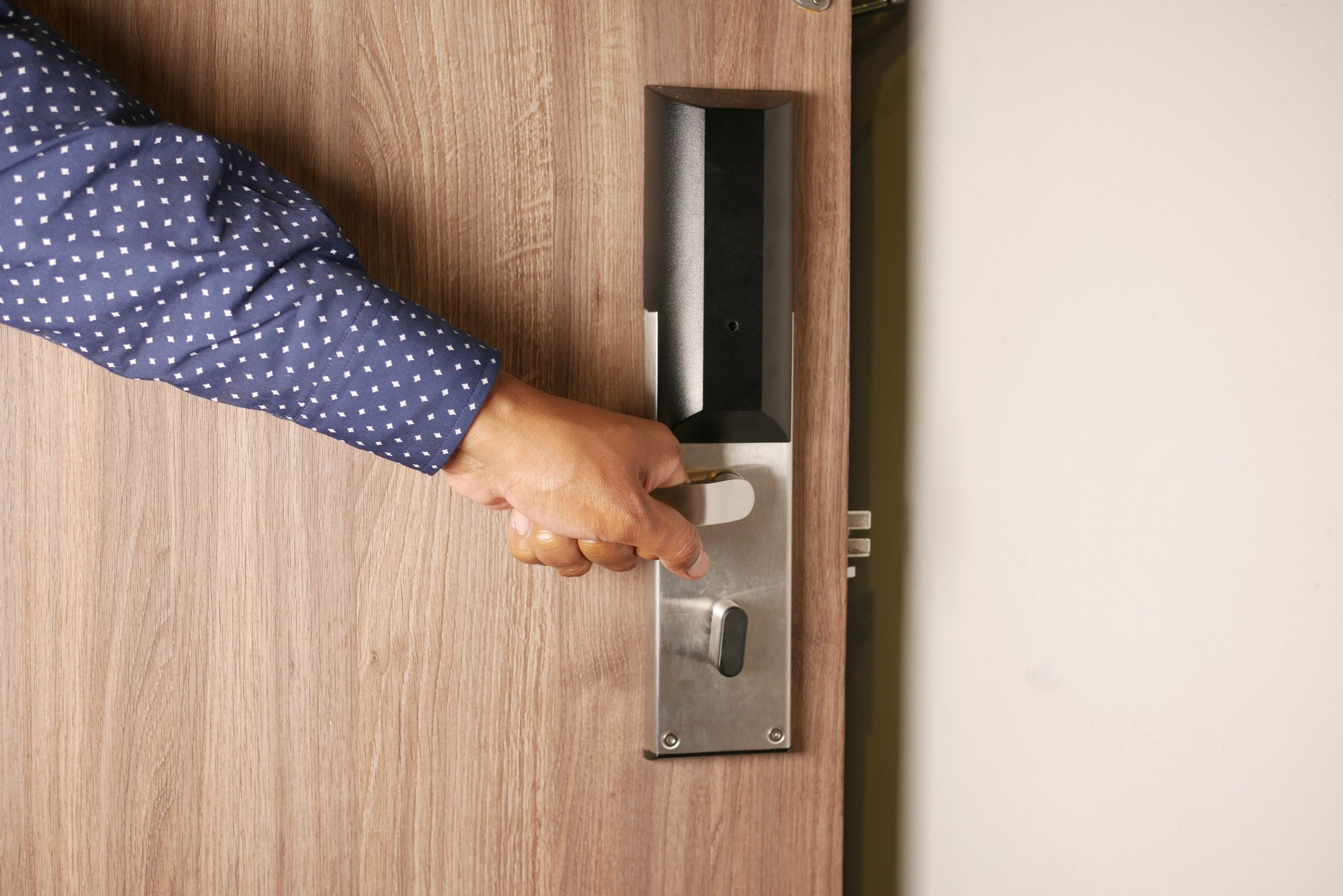
For upgrades, I typically present three tiers. First, a high-quality mechanical deadbolt with proper reinforcement plates. Second, a restricted keyway option for clients worried about unauthorized copies. Third, a smart deadbolt that supports multi-user codes, audit trails, or building integrations. The smart option is attractive but requires a conversation about batteries, Wi-Fi or Bluetooth reliability, and who will manage codes. If a client travels often or has frequent guests, codes simplify life. If the door sees heavy use and the client dislikes app management, a high-grade mechanical lock remains the gold standard.
Commercial and office security in the real Manhattan
Commercial doors are more varied than residential. Aluminum storefront doors with narrow stile mortise locks, glass doors with patch fittings, metal fire doors with exit devices, and magnetic locks tied to access control - each has specific standards. A coffee shop on Houston cannot afford to miss the morning open because the latch won’t retract. A law office needs controlled key systems, not just copies from the nearest locksmith kiosk.
The first step is an assessment. Many retail spaces rely on old cylinders with mismatched keys. Consolidating to a single keyway and rekeying all entry points does two things: it reduces key clutter and prevents unknown copies from floating around. When employees turn over, rekeying is often faster and cheaper than replacing every lock. It also creates a clean baseline for future access control changes.
In offices, the conversation usually expands to master key systems. A well-designed master key system gives executives full access while staff keys open only assigned rooms. The pitfall is poor record-keeping. I have inherited systems with no bitting charts and no audit trail. If you build a master system, insist on documentation and a clear policy for issuing keys. Otherwise, you lose control over who can get in.
Access control is another layer. Card readers and key fobs are popular because you can deactivate access instantly. But electronics fail, and fire code requires free egress. Your locksmith should ensure electric strikes or maglocks are paired with proper exit devices and life safety compliance. On a maintenance call in Midtown, a door with a misaligned electric strike was chewing through key fob credentials because staff were tugging the handle during unlock timeouts. The fix was a simple shim and a timing adjustment in the controller. That costs a fraction of a service call every other week.
If your commercial door lock shows signs of wear - slack handle, sticking latch, intermittent locking - do not wait for it to fail at 7 a.m. before a delivery. Proactive maintenance is cheaper than emergency visits and avoids the worst scenario: a forced entry that damages the frame.
Automotive locksmith work, curbside and fast
Cars add urgency. Street sweeping, tow zones, and ticketing create hard time limits. A Manhattan automotive locksmith has to be nimble with both tools and communication. A locked car with a key inside calls for air wedges and reach tools designed to avoid paint damage. A key stuck in car ignition requires more nuance.
Modern ignitions fall into three buckets: traditional metal keys, transponder keys, and push-to-start with proximity fobs. If you are asking how much to resolve a key stuck in car, the range varies because the cause could be a steering lock bind, a worn tumbler, a dead battery, or a foreign object. One trick is to relieve steering wheel pressure by turning it slightly while gently rotating the key. When that fails, a tech evaluates the cylinder. Many makes allow an override function to remove key from ignition by releasing a retention pin, but this should be done carefully to avoid damaging the column.
For lost keys, programming is the crucial step. Key fob programing for newer vehicles demands the right software and tokens, and sometimes a security code from the manufacturer. I keep programmers that can code most domestic and Asian models curbside. European vehicles are more complex, and some require online coding with proof of ownership. If a shop quotes a rock-bottom price for a modern European fob, be wary. Either it is a clone that could fail with a software update, or the job will balloon once they discover the model-specific hurdles.
Costs vary with chip type and availability. As a ballpark, a basic metal key might be the cost of a couple of taxi rides, while a high-end proximity fob with laser-cut emergency blade can cost several times that. Always ask for the breakdown: blank, cutting, programming, and service call. Transparency matters.
I once met a driver in SoHo with a hybrid whose fob died after a gallery opening. A simple battery swap failed because the shell’s contacts were corroded from a spilled drink months back. We transferred the board into a new shell and programmed a second fob as a backup. That second fob saved her two weeks later, which is the quiet value behind a proper automotive locksmith service.
Safe work: open safe without ruining it
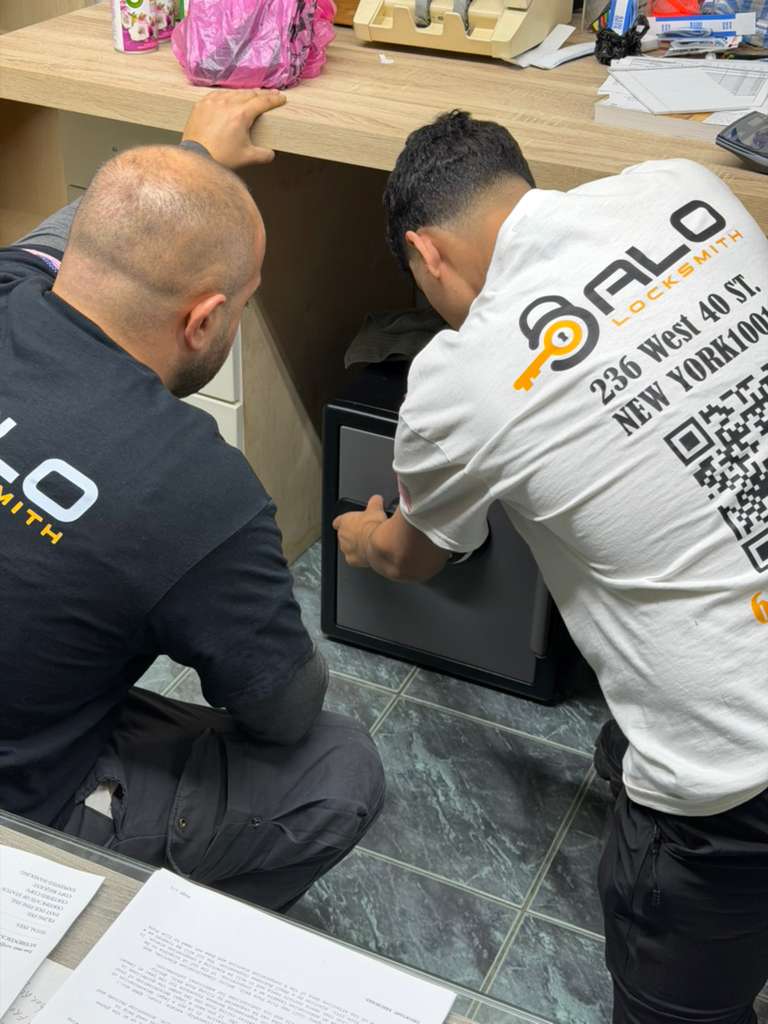
Opening a safe sounds glamorous until you are lying on a concrete floor with a scope and a drill shield at 3 a.m. The goal is always to preserve the container. Before drilling, verify the model and lock type. Mechanical dials often allow a non-destructive recovery if the combination drifted. Electronic safe locks may accept a manager code or fail into lockout mode after a wrong-entry limit. If a client lost a combination and needs documents urgently, a surgical drill to access the change key hole is the ethical route. The hole is later filled with a hardening compound and finished clean.
I refuse to pry or torch unless the safe is already compromised or the client approves a destructive entry with full understanding of replacement costs. A proper open safe job ends with security restored, not a bent door that will never seal again.
How to choose the nearest locksmith without getting burned
Time pressure makes people reach for the first result on their phone. That can work, but it is worth 60 seconds of due diligence. A well-equipped mobile key service should arrive with clear ID, a marked vehicle, and a way to document the job. Ask about estimated arrival time and locksmith cost before they roll. If a dispatcher refuses to give even a range, that is a red flag. Manhattan pricing is not one-size-fits-all, yet professionals can outline typical fees.
A quick reality check on pricing: late-night service calls cost more, and security hardware varies widely. The question is not only how much, but what you get for the fee. Are they rekeying or replacing? Are they using grade-1 or grade-2 hardware? Is the cylinder a common keyway or a restricted system? A few thoughtful questions protect you from bait-and-switch tactics.
What drives locksmith cost in Manhattan
Three variables drive price: time, complexity, and parts. After-hours calls add a premium because you are paying for staff to stand ready at odd hours. Complexity includes the door material, lock type, or vehicle make. Parts are straightforward: a solid deadbolt costs more than a bargain bin cylinder, and it repays you in fewer headaches.

When clients ask how much for a rekey on a standard apartment door, the answer typically lands below a full lock replacement, often by a meaningful margin. Smart locks add cost upfront but can reduce future callouts if you manage codes well. Automotive work ranges more widely. A traditional key cut might be relatively modest, while programming a proximity fob can climb depending on brand and security requirements.
Beware of quotes that are too low to be real. A common tactic is to advertise a tiny service fee, arrive, declare the job unusually difficult, then present an inflated total. I prefer to explain best and worst case over the phone, with the understanding that I will present options on site. If drilling a lock is the last resort, you should know that before we start.
The quiet skill: choosing repair over replacement
Clients often assume a broken lock means full replacement. Many times, a targeted repair solves the issue. For example, a key that binds may be the result of a warped door or a loose hinge. Adjusting the strike or adding hinge shims can restore smooth action. A lock cylinder with a broken tailpiece can be repaired without replacing the entire assembly. Conversely, some fixes do more harm than good. Over-lubing cylinders with oil draws dust and accelerates wear. For cylinders, a dry graphite or a lock-specific dry lube is better.
Another repair-or-replace judgment call is with multi-unit buildings. If a tenant loses keys, it might be tempting to duplicate from a copy-of-a-copy that barely works. Better to rekey the apartment cylinder and keep the building’s master key intact. This protects the building’s security hierarchy and avoids a stack of temperamental keys that only work if you jiggle them.
Response times that mean something
Manhattan blocks hide surprises: pop-up construction, film crews, a water main repair. “Twenty minutes” can stretch if a locksmith does not plan for variables. A reliable lock technician will give an arrival window and update you if traffic shifts. For urgent cases like a child or pet locked in a car or a stove left on behind a door, say so upfront. Most shops triage for life safety. On a rainy night in Tribeca, a client called about a baby locked in a bathroom with a jammed privacy set. That is not a “take a number” call. We diverted a tech two blocks away, popped the latch using a simple bypass tool, and replaced the failed privacy set once the family settled.
What mobile key service actually carries
A well-stocked van is the difference between a fix-now and a return-visit. For residential and commercial doors, we carry grade-1 and grade-2 deadbolts, common mortise cylinders, interchangeable cores, strikes, latches, and reinforcement plates. For vehicles, transponder chips, blade blanks, proximity fobs for common models, laser cutters, decoders, EEPROM tools for select systems, and programmers with current subscriptions. For safes, a small drill rig, scopes, change keys, common electronic lock kits, and patch materials.
The city is unforgiving to flimsy gear. Tools take a beating from potholes and weather. Cheap extractors snap inside cylinders and turn a five-minute job into an hour of fishing. The good stuff costs more, and clients benefit when the work proceeds without drama.
When a lockout is a symptom, not the problem
Lockouts can hint at bigger issues. A tenant who locks themselves out repeatedly might need a keypad solution instead of a key. An office that calls monthly to let in cleaners probably needs a controlled code that expires after use. A car owner who keeps bending keys may have a worn ignition that needs rekeying or replacement. I watch for patterns. The best locksmith service anticipates the next problem and offers a measure to prevent it. It is not upselling, it is good stewardship of the client’s time and money.
Two quick reference lists for Manhattan customers
Checklist before you call a 24/7 locksmith:
- Confirm your exact location with cross streets or a nearby business. Have ID ready, or a way to verify tenancy or ownership. Describe the hardware or vehicle make, model, and year if applicable. State the urgency level and any safety concerns. Ask for an arrival window and a cost range for typical outcomes.
Situations where replacement beats repair:
- Cracked or warped door that no longer holds screws or alignment. Cylinders with unknown key history in a turnover or disputed tenancy. Rusted or corroded hardware near the coast or in damp basements. Repeated failures on low-grade locks in high-traffic areas. Electronic locks with outdated firmware and no support from the manufacturer.
A note on legality and ethics
A reputable locksmith in Manhattan will verify permission to open a property or vehicle. That might mean a driver’s license, registration, a lease, or a building manager who can vouch for you. During emergencies, we balance speed with compliance, and we document. If a technician does not ask for verification at all, you should ask why. Security is our craft. Respecting boundaries is part of that.
When you need the nearest locksmith, what you can expect
On a typical night, I might start in the East Village with a residential rekey, head up to a Midtown office to fix a misbehaving commercial door lock, and then take a call in Harlem for an automotive locksmith job on a late-model sedan. The variety is the city’s heartbeat. You deserve a locksmith who can ride that curve, adapt without fuss, and explain what they are doing in plain language.
If your key broke in lock, we will extract it and assess the cylinder. If your key stuck in car, we will free it without scarring the column and address the root cause. If you lost your fob, we will handle key fob programing on the curb so you are not stranded. If you want to open safe, we will protect the container and its contents. If a door refuses to latch at your shop before open, we will get you trading again and show you how to keep it that way.
That is what 24/7 locksmith coverage in Manhattan looks like when done right: technical competence, honest guidance, and steady service whether it is 2 p.m. or 2 a.m. The hardware matters, and so do the people behind it.